
My Predictions: The Next Big AI Innovation in Retail Operations Guide
The retail landscape is a whirlwind of constant change, and at its eye is Artificial Intelligence. We’ve seen AI revolutionize everything from personalized recommendations to inventory management. But what’s next? What’s the truly game-changing innovation on the horizon that will redefine how retail operations function? As someone deeply immersed in the intersection of technology and commerce, I’ve spent considerable time analyzing the trajectory of AI, observing its current applications, and forecasting its most impactful evolution. It’s not just about incremental improvements anymore; we’re on the cusp of a paradigm shift.
My prediction isn’t a single tool or a standalone application. Instead, I foresee the emergence of a holistic, interconnected intelligence that will act as the central nervous system for retail operations: what I call Autonomous Retail Intelligence (ARI). This isn’t just AI helping humans; it’s AI operating as a seamless, self-optimizing entity, unifying every facet of the retail experience from the back office to the customer’s shopping cart. It’s about moving from assisted intelligence to truly autonomous, predictive, and hyper-responsive operational control. This guide will walk you through my vision for ARI, exploring its core components and how it will redefine retail as we know it.
Unveiling My Forecast: The Rise of Autonomous Retail Intelligence (ARI)
The “next big thing” in retail AI won’t be another fancy chatbot or a slightly better recommendation engine. While valuable, these are components of a larger, more profound transformation. My prediction centers on the development and widespread adoption of Autonomous Retail Intelligence (ARI) – an overarching, self-governing AI system designed to manage, optimize, and predict every aspect of retail operations with minimal human intervention. Think of it as the ultimate operating system for retail, learning, adapting, and executing strategies across the entire value chain in real-time.
ARI will be characterized by several key attributes:
- Hyper-Integration: It will seamlessly connect all existing retail systems – POS, inventory, CRM, supply chain, marketing, HR – creating a unified data fabric.
- Predictive Autonomy: Moving beyond simple forecasting, ARI will anticipate market shifts, customer needs, and operational challenges, then automatically implement solutions before issues even arise.
- Adaptive Learning: Constantly ingesting new data, ARI will refine its algorithms and strategies, optimizing performance in a continuous feedback loop.
- Generative Capabilities: Leveraging advanced generative AI, it will dynamically create content, personalized offers, and even interactive customer service scenarios.
This holistic approach is what sets ARI apart. Instead of siloed AI solutions, we’re looking at a cohesive, intelligent entity that orchestrates the entire retail symphony. It’s about achieving a level of operational fluidity and customer responsiveness that is currently unimaginable for most retailers. For those interested in current AI applications in retail, ARI represents a quantum leap from today’s capabilities.
Beyond Personalization: ARI’s Hyper-Anticipatory Customer Journey Engine
We often talk about personalization in retail, but ARI will take this to an entirely new dimension: hyper-anticipatory customer journeys. Imagine an AI that doesn’t just recommend products based on past purchases, but actively understands a customer’s evolving lifestyle, preferences, and even emotional state, predicting their needs before they even articulate them. This goes beyond simple data points; it involves processing vast amounts of unstructured data – social media sentiment, browsing patterns, real-world events, even weather – to construct a truly dynamic and responsive individual profile.

ARI’s customer engine will:
- Proactively Curate Offerings: Based on predictive models, ARI might suggest a new hiking gear collection before a customer even searches for outdoor activities, knowing their past interest in nature and an upcoming long weekend.
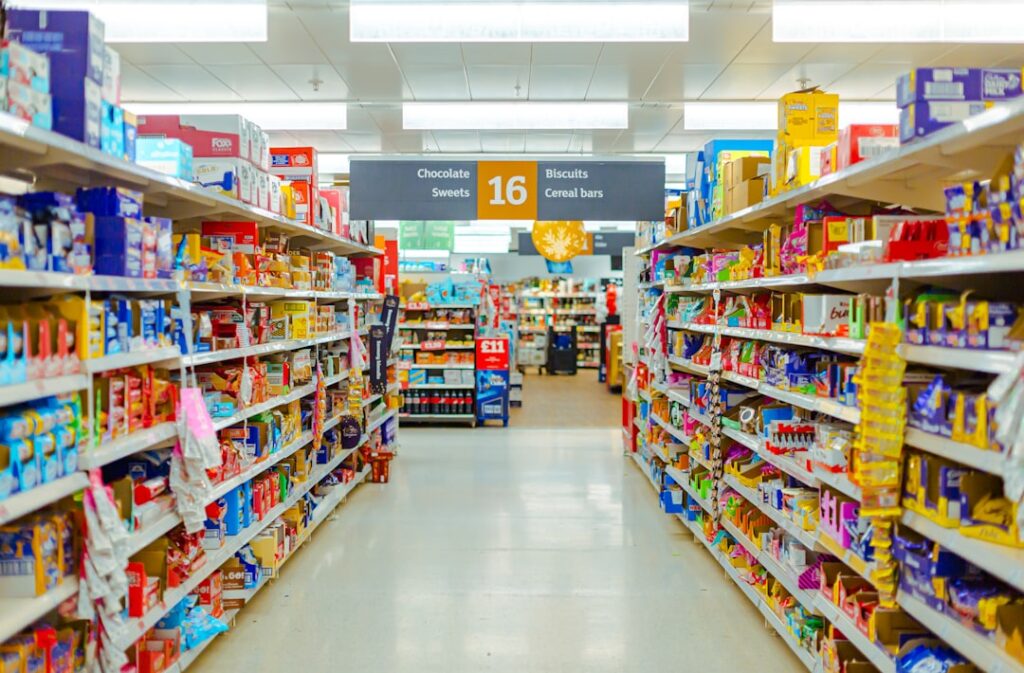
- Dynamic Store Layouts and Merchandising: In physical stores, ARI could influence digital signage, product placement, and even staff deployment in real-time based on foot traffic patterns, demographics, and anticipated demand from specific customer segments entering the store.
- Contextualized Communication: Communications will be hyper-relevant, delivered through preferred channels at optimal times, ensuring maximum engagement and conversion. This includes dynamically generated marketing copy and visual assets tailored to individual tastes.
- Seamless Omnichannel Experience: ARI will ensure absolute continuity across online, mobile, and in-store interactions, making every touchpoint feel like a natural progression of a single, intelligent conversation. This will be a critical step in enhancing customer experience with technology.
The Self-Optimizing Store: ARI’s Command Center for Inventory & Staffing
One of the most significant impacts of ARI will be on the operational backbone of retail: inventory management and staffing. Traditional methods are often reactive and prone to human error. ARI, however, will transform stores into self-optimizing entities, running with unprecedented efficiency and precision. This is where the ‘autonomous’ truly shines, moving beyond merely assisting store managers to actively managing the store’s daily rhythm.
Consider these innovations:
- Predictive Inventory Flow: ARI will analyze sales data, local events, weather forecasts, and even social media trends to predict demand with incredible accuracy. It will then automatically trigger replenishment orders, optimize stock levels across multiple locations, and even suggest dynamic pricing adjustments to minimize waste and maximize sales.
- Automated Shelf Management: Robotics and computer vision, orchestrated by ARI, will autonomously monitor shelf stock, identify misplaced items, and even re-merchandise displays based on real-time sales performance and customer engagement data.
- Dynamic Staffing Optimization: Based on predicted foot traffic, peak hours, and specific task requirements (e.g., a large delivery expected), ARI will intelligently schedule staff, ensuring optimal coverage and productivity. It can even identify skill gaps and suggest training modules to employees.
- Proactive Maintenance: ARI will monitor equipment performance (refrigerators, POS systems, lighting) and predict potential failures, scheduling preventative maintenance before breakdowns occur, minimizing downtime and operational disruption.
This level of autonomous control frees human staff from mundane, repetitive tasks, allowing them to focus on higher-value customer interactions and strategic initiatives. It’s a radical reimagining of store management, driven by intelligent automation.
Supply Chain’s Predictive Leap: How ARI Reimagines Logistics
The retail supply chain is notoriously complex, with countless variables affecting efficiency and cost. ARI promises to inject unparalleled intelligence and autonomy into this critical area, transforming it from a reactive network into a hyper-predictive, self-correcting organism. My prediction sees ARI not just optimizing individual links in the chain, but orchestrating the entire end-to-end process with foresight and agility.
Here’s how ARI will reshape the supply chain:
- End-to-End Visibility and Optimization: ARI will provide real-time, granular visibility into every stage of the supply chain, from raw materials to final delivery. It will identify bottlenecks, predict disruptions (e.g., port delays, extreme weather, geopolitical events
![Case Study: [company]’s Smart Use of Ai in Customer Service (my Analysis).](https://usmanai.com/wp-content/uploads/2025/11/image-29-1024x689.jpg)