
The Future of AI in Transportation: My Predictions for Your Daily Commute.
Imagine waking up, grabbing your coffee, and stepping into a vehicle that already knows where you need to go, the fastest route, and even the perfect temperature for your ride. This isn’t science fiction anymore; it’s the near-future reality being shaped by Artificial Intelligence (AI) in transportation. For years, the daily commute has been a source of stress, lost time, and environmental concern. But what if AI could transform this mundane chore into an efficient, personalized, and even enjoyable part of your day? As someone deeply fascinated by the intersection of technology and everyday life, I’ve spent considerable time tracking advancements in this field. Here are my predictions for how AI will revolutionize your daily commute, making it almost unrecognizable within the next decade or two.
Your Morning Drive, Reimagined: The Autonomous Revolution Takes the Wheel
The most visible and perhaps most profound change AI will bring to your daily commute is the advent of truly autonomous vehicles. Forget the driver-assist features you know today; we’re talking about Level 5 autonomy where the vehicle handles all driving tasks under all conditions. My prediction is that within 10-15 years, owning a car that requires *you* to drive it will start to feel antiquated, especially in urban and suburban areas. Imagine stepping into your car – or rather, your personal mobility pod – and immediately diving into your morning news, catching up on emails, or even enjoying a quick breakfast, all while the vehicle safely and efficiently navigates traffic.
AI will be the brain behind this seamless experience. It will process real-time data from countless sensors, cameras, and radar systems, making instantaneous decisions far quicker and more accurately than any human. This means a drastic reduction in accidents caused by human error, leading to safer roads for everyone. Your commute won’t just be hands-free; it will be stress-free. The AI will learn your preferences – your favorite routes, your usual stops, even your preferred music genre for the morning ride – personalizing the journey in ways we can only dream of today. For those interested in the technical progression, understanding Understanding Autonomous Driving Levels helps illustrate how far we’ve come and how much further we’re going.
Beyond Personal Vehicles: AI’s Role in Public Transit and Shared Mobility
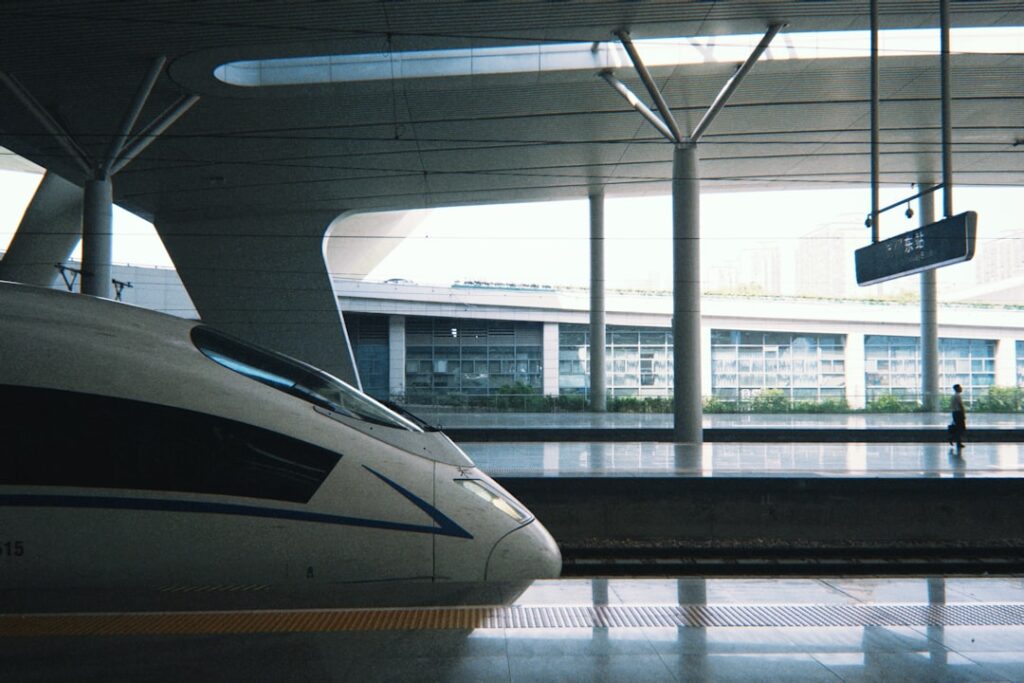
While autonomous personal vehicles will be a game-changer, AI’s impact on public and shared transportation will be equally transformative, especially for those who prefer not to own a car or live in dense urban environments. My prediction is that AI will orchestrate a highly efficient, demand-responsive network of public and shared mobility options, making them far more appealing than they are today.
Think about a future where fixed bus routes become a relic of the past. Instead, AI-powered algorithms will analyze real-time demand, traffic conditions, and passenger patterns to dynamically route a fleet of autonomous shuttles, vans, and even smaller pods. You’ll simply request a ride via an app, and an optimized vehicle will arrive at your nearest smart stop within minutes, taking the most efficient path to your destination, potentially even pooling with other passengers heading in the same direction without significant detours. This “mobility-as-a-service” (MaaS) model, powered by sophisticated AI, will reduce wait times, cut down on congestion, and make public transport a truly convenient and personalized experience. Imagine your city’s transport system functioning like a perfectly choreographed ballet, with AI as the conductor.
Dynamic Pricing and Route Optimization for Mass Transit
AI will also enable dynamic pricing models for public transport, much like ride-sharing services today. During peak hours or high-demand events, prices might adjust slightly, encouraging riders to travel during off-peak times or utilize alternative routes. More importantly, AI will continuously optimize routes for an entire fleet, minimizing empty vehicles, reducing energy consumption, and ensuring equitable access across different neighborhoods. This level of optimization is impossible with human dispatchers and static schedules. The goal is a public transit system that is not only smart but also sustainable and highly responsive to the actual needs of its citizens.
Intelligent Infrastructure: When Roads Think for Themselves
The vehicles themselves are only half the story. My prediction is that the very roads and infrastructure we use will become “smart” – embedded with sensors and AI that communicate constantly with vehicles and central traffic management systems. This intelligent infrastructure will be the nervous system of our future transportation network, ensuring everything runs smoothly and safely.
Imagine traffic lights that don’t just cycle on a timer but respond in real-time to the flow of vehicles and pedestrians, dynamically adjusting to prevent bottlenecks before they even form. AI will predict traffic surges based on historical data, weather patterns, and even local event schedules, proactively rerouting vehicles and adjusting signal timings. This means fewer frustrating stops and starts, and significantly reduced travel times. Beyond traffic lights, smart road surfaces could detect hazards like ice or potholes and alert autonomous vehicles, or even self-repair using advanced materials. This holistic approach, where vehicles and infrastructure communicate seamlessly, is crucial for unlocking the full potential of AI in transportation. It’s a key component of The Rise of Smart Cities, where every element works in concert.
Predictive Maintenance and Emergency Response
AI-powered sensors embedded in bridges, tunnels, and roads will continuously monitor their structural integrity, predicting maintenance needs long before they become critical. This proactive approach will save significant public funds and prevent potentially catastrophic failures. Furthermore, in the event of an accident or emergency, AI will instantly detect the incident, dispatch appropriate emergency services, and reroute surrounding traffic with unparalleled speed and precision. Your commute, in this future, becomes not just more efficient but also inherently safer, with a digital guardian watching over every mile.
Hyper-Personalized Journeys: AI as Your Ultimate Commute Planner
Beyond optimizing the physical movement of vehicles, AI will transform how you plan and experience your journey. My prediction is that your personal AI assistant will become your ultimate commute planner, offering tailored advice and managing every aspect of your travel.
This AI won’t just tell you the fastest route; it will consider your personal preferences, your calendar, and even your mood. Do you prefer a scenic route over a faster one on a particular day? Is there a coffee shop you frequent along the way? Does your calendar show an early meeting that requires a prompt arrival, or do you have leisure time to spare? Your AI will integrate all this information, suggesting the optimal mode of transport (autonomous car, shared shuttle, electric bike, or even a future drone taxi), the best time to leave, and even alternative options if unexpected delays arise. It will book your rides, manage subscriptions to mobility services, and even process payments seamlessly. The future commute will be less about navigating traffic and more about choosing your preferred experience, with AI handling all the logistics.
Integrating Commute with Daily Life and Wellness
This personalized AI won’t just get you from A to B; it will integrate your commute into your broader daily life and wellness goals. Imagine an AI that suggests a slightly longer route on your autonomous bike to incorporate some exercise, or recommends a meditation podcast for your autonomous car ride when it detects you’re stressed. It could even coordinate your arrival time with your smart home system, ensuring your lights are on and your favorite music is playing as you walk through the door. This level of integration shifts the commute from a standalone activity to an integral, harmonious part of your daily routine, optimized for your well-being.
The Commute of Tomorrow: More Than Just Getting There
Ultimately, my prediction for the future of AI in transportation is not just about faster travel or fewer traffic jams. It’s about a fundamental shift in our relationship with travel itself. When AI handles the complexities of navigation, safety, and optimization, the time spent commuting transforms from wasted time into productive or enjoyable time. Passengers in autonomous vehicles can work, relax, socialize, or learn. Public spaces currently dedicated to parking can be repurposed for parks, housing, or businesses. The environmental benefits of optimized routes, reduced congestion, and a shift towards electric and shared autonomous vehicles will be immense, leading to cleaner air and quieter cities.
The daily commute, once a necessary evil, will evolve into a flexible, personalized, and integral part of a smarter, more sustainable urban existence. It will be a time of choice and possibility, rather than obligation and frustration. The journey itself will become part of the destination, a seamless experience orchestrated by the invisible hand of AI, freeing up human potential and transforming our cities for the better. The Urban Mobility Trends clearly point towards this integrated, intelligent future.
Frequently Asked Questions About Your AI-Powered Commute
Will autonomous vehicles be safe enough for my daily commute?
Absolutely. AI-driven autonomous vehicles are designed to be significantly safer than human-driven cars. They possess 360-degree awareness, faster reaction times, and are immune to distractions, fatigue, or impairment. While initial deployments will be carefully monitored, the goal is a drastic reduction in accidents, making your commute far safer than it is today.
How will AI in transportation impact public transport accessibility?
AI is predicted to greatly enhance public transport accessibility. By enabling demand-responsive routing and dynamic scheduling, autonomous public shuttles and pods can serve a wider geographic area, including underserved neighborhoods, more efficiently than traditional fixed-route systems. This means more people will have convenient access to transportation, regardless of their location.
What about job displacement for drivers?
While AI will undoubtedly change the landscape for professional drivers, it’s more likely to lead to a shift in roles rather than mass unemployment. New jobs will emerge in managing and maintaining